

Know what’s in the air you breathe.
We build our own pollution sensors and deploy them as an AI-powered, high-resolution network, giving you verified environmental data for real-world decisions.
Trusted by municipal networks across Canada.



How It Works
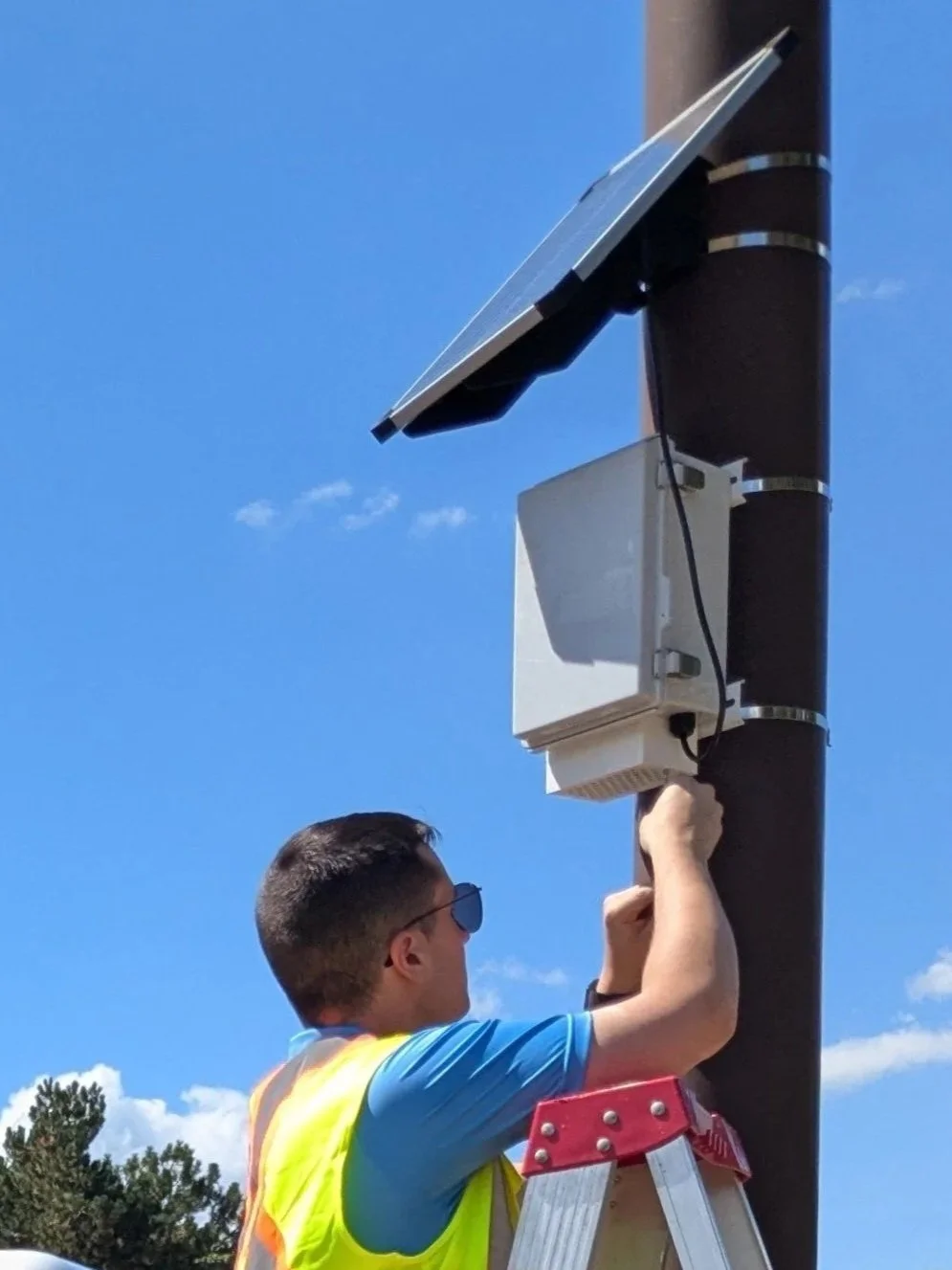
We build the hardware. Proprietary sensors, designed and manufactured in-house. We control data quality from the first molecule — no third-party devices, no black-box inputs.
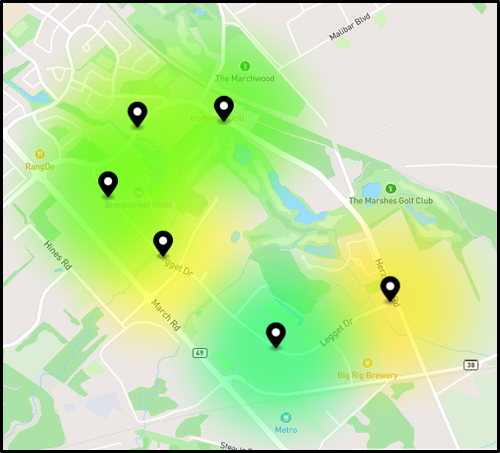
The AI-powered network never stops learning.
Our AI connects readings across the entire sensor network in real time, identifying pollution fronts before they arrive, catching anomalies no single sensor would catch, and building a picture of environmental risk that grows sharper as the network grows.
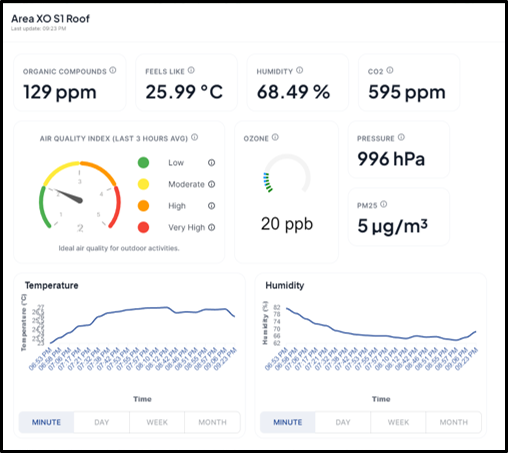
You get early warning, not just data.
Predictive alerts, live dashboards, and trend analysis delivered before conditions become a crisis.
We engineer the sensors. We verify the data. You make better decisions.
How air quality affects you: we track what matters.
-
High levels can irritate the lungs and make breathing tough, especially on hot, sunny days or in areas with lots of traffic. It’s a big part of city smog year-round, and is also a component of wildfire smoke that can worsen in summer.
-
These include nitrous oxide (N₂O), carbon dioxide (CO₂), and methane (CH₄).
Greenhouse gases (GHGs), like carbon dioxide and methane, trap heat in the atmosphere, causing warming and leading to more extreme weather patterns, heatwaves, and poor air quality, all of which can harm our health. -
These compounds make up a large portion of chemicals found in indoor and outdoor air. In indoor spaces, there are prevalent health risks.
VOCs are emitted from cooking, smoking, paint/glue, air refreshers, select stoves, fireplaces, and candles.
-
Particulate Matter is solid and liquid particles that are suspended in the air.
Elevated PM can contribute to ozone depletion/acid rain, decrease atmosphereic visibility, and lead to respiratory illness.
-
Knowing your air quality also means knowing how it feels. When it gets really hot or humid, it can make you feel tired or short of breath. It’s especially tough on seniors, kids, and those with existing respiratory conditions.
-
Air pressure plays a key role in how pollutants affect us. When air pressure is high, it tends to trap pollutants closer to the ground, making the air feel heavier and more polluted. This can cause breathing discomfort, especially for people with respiratory conditions like asthma.
Why we built this
As an environmental biologist, Olga was publishing research that shaped real decisions. But the environmental data feeding those models was updated too infrequently and geographically fractured.
She built EcoSafeSense because she refused to keep making high-stakes recommendations on bad data. So she fixed the data first, designing sensors from scratch, building the AI layer, and deploying a network precise enough to meet the standard her own research demanded.

Dr. Olga Koppel
Founder and CEO
"I was making policy-level predictions on data that wasn’t good enough to make them on."
See the network in action.
Explore live sensors and their real-time insights.
Smarter Tech, Healthier Life.
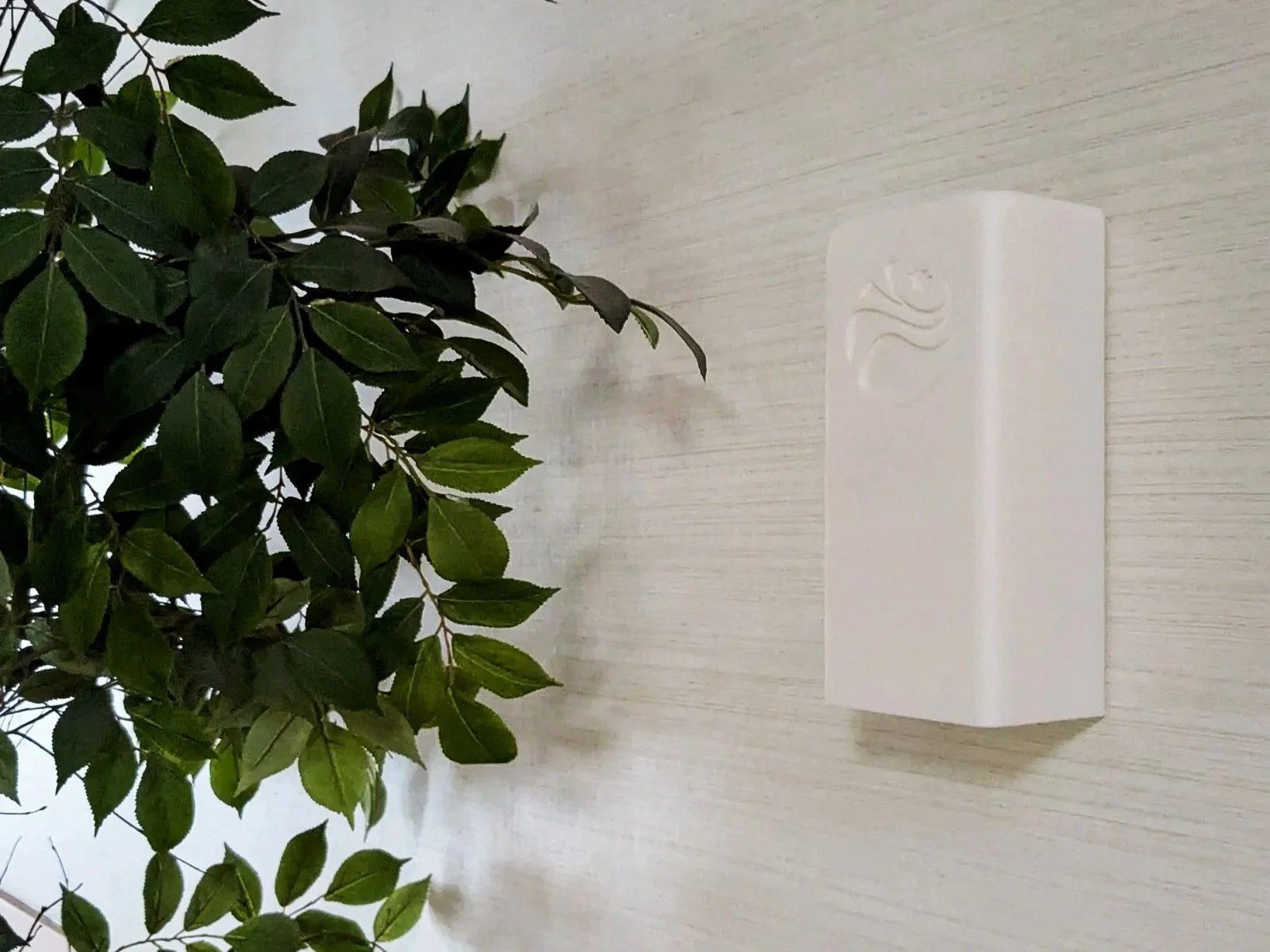
Accessing pollution data and analytics at your fingertips has never been faster. EcoSafeSense redefines air quality monitoring with cutting-edge hardware and dedicated AI analytics. Our live, location-based data empower you to make informed choices, creating actionable insights for cleaner, more sustainable living.